
Plant vs Animal Protein: Which is better?
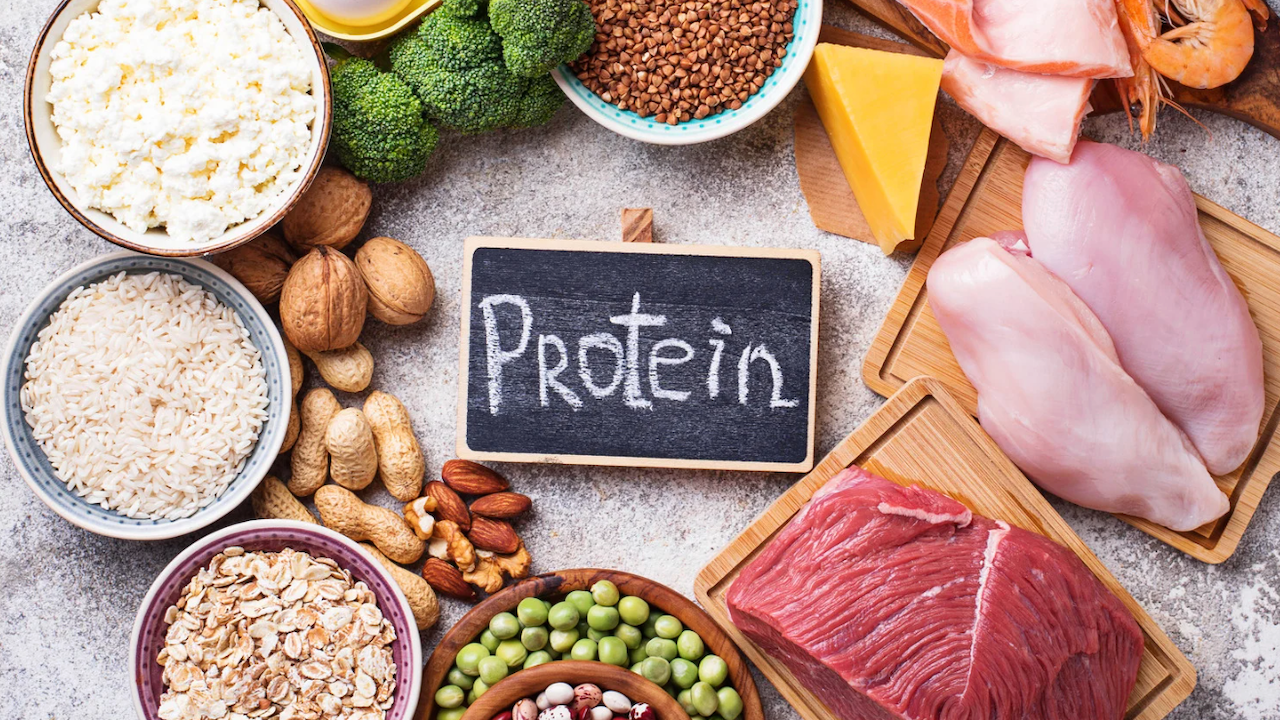
Sometimes I get asked if I work with vegetarians and the answer is yes I do; however, I am also honest about the limitations around healing that might be present on a “plant based” diet.
In other words, vegetarians who are committed to that lifestyle will have to work harder to obtain the same amount of nutrients and may struggle to even reach certain daily requirements for vitamins and minerals. This is coming from someone who was once a vegetarian.
And it’s about more than just B12.
Let’s dive into the research
If you’ve been navigating the world of nutrition for a while, you’ve likely heard mixed messages about protein. Is plant protein just as good as animal protein? What’s the difference? Today, I want to clear up some of the confusion and explain why animal protein is more bioavailable, nutrient-dense, and beneficial for women at every stage of life—whether you’re trying to conceive, going through postpartum recovery, or just wanting to create hormonal resilience.
One of the biggest reasons animal protein outshines plant protein is bioavailability—how well your body can absorb and use the nutrients. Animal proteins are considered "complete" because they contain all nine essential amino acids that your body cannot produce on its own. These amino acids are necessary for everything from hormone production to muscle repair and immune function.
In contrast, most plant proteins are "incomplete," meaning they lack one or more essential amino acids. While you can combine plant proteins (like beans and rice) to make up for these deficiencies, it’s less efficient for your body to piece together amino acids from different sources than to get them all from one.
Research shows that the digestibility of animal proteins like beef, eggs, and dairy ranges from 90-99%, compared to 70-80% for most plant proteins. This means your body has to work harder to break down and absorb the nutrients in plant proteins, making animal protein a more efficient source of fuel.
Understanding Nutrient Density
Beyond just amino acids, animal proteins are incredibly nutrient-dense. They come packed with essential vitamins and minerals that are often harder to get from plant-based sources.
For example:
Retinol (Active Vitamin A): Animal foods, especially liver, are the best sources of retinol, the active form of vitamin A, which is crucial for hormone balance, immune function, and skin health. While plants provide beta-carotene (a precursor to vitamin A), your body must convert it to retinol—a process that’s far less efficient, particularly in women of reproductive age.
B Vitamins: Meat, eggs, and dairy are rich in B vitamins like B12, which is critical for energy production, brain health, and red blood cell formation. B12 is nearly impossible to get from plant foods unless you rely on fortified products.
Heme Iron: Found only in animal foods, heme iron is much more easily absorbed than non-heme iron from plants. This is especially important for rebuilding our blood supply after menstruation or birth.
Zinc: While you can get zinc from plant foods like legumes, the phytates in these foods bind to minerals like zinc and inhibit their absorption. Animal foods, particularly oysters and beef, provide zinc in a form your body can easily absorb and use.
These nutrients are not only more abundant in animal foods but also more bioavailable, meaning they’re easier for your body to access and put to use. This is key when you’re trying to support hormone health, energy levels, and fertility.
Here’s a direct comparison to illustrate:
- Eggs vs. Quinoa: Both are touted for being high in protein, but the protein in eggs is more easily absorbed and comes along with vitamin D, choline (important for brain health), and omega-3s (if pasture-raised). Quinoa, while nutrient-dense, is lower in bioavailable protein and lacks the fat-soluble vitamins found in eggs.
- Grass-fed Beef vs. Lentils: While lentils are a common plant-based source of protein, they provide about 18 grams of protein per cup but lack B12 and heme iron. Grass-fed beef, on the other hand, delivers 25 grams of protein per 4 ounces, plus high levels of bioavailable iron, zinc, and B12—all critical for menstrual and reproductive health.
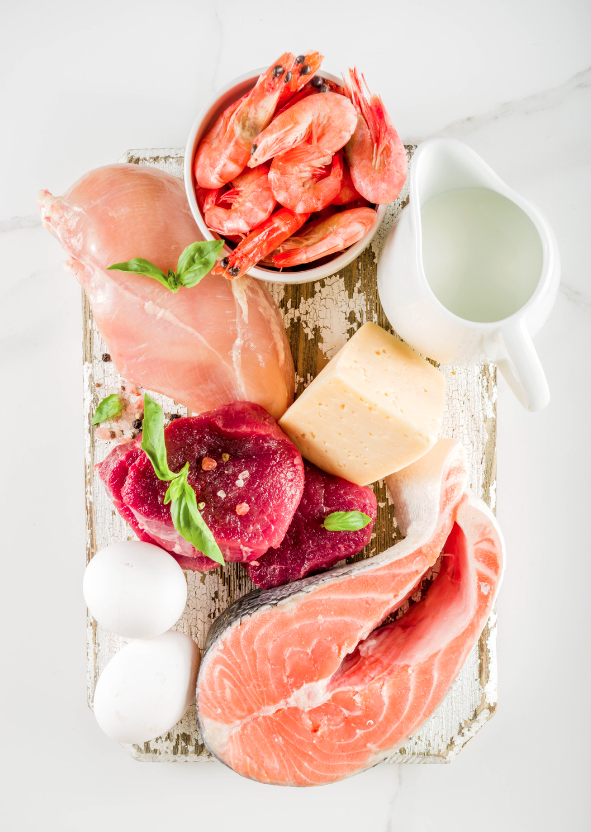
So yes, animal based protein is really better. It’s better for absorption, nutrient density, protein bioavailability and supporting you to meet your daily nutritional needs to create thriving health.
Many women improve their hormones simply by focusing on this shift from a more plant based diet to one that includes more animal products.
Stay Connected
Join Womb Tending Weekly to receive your weekly dose of agency, nourishment, and healing to inspire your personal transformation + our collective liberation.
We hate SPAM. We will never sell your information, for any reason.
